
Creating videos that persuade viewers to take action has never been more straightforward or more crucial for achieving business success. In 2025, the game has shifted from expensive, studio-heavy campaigns to bright, data-driven content that prioritizes the message over fancy production.
Video marketing can boost conversions by up to 80% on online stores. Landing pages with video content convert at a rate of 4.8%, compared to 2.9% without video. Ninety-one percent of marketers are incorporating video into their strategies, and 90% are experiencing positive returns.
However, here’s what’s different now: success isn’t about having the most significant budget or the most elaborate production. It’s about understanding your audience and delivering genuine value through compelling storytelling. Businesses using video marketing are seeing a 76% increase in traffic, and incorporating video into emails yields a 200-300% rise in click-through rates.
The biggest change? Real, targeted content beats generic, high-budget productions. Your smartphone and the right plan can create more persuasive content than a studio with unlimited money and no clear message.
Consider this example: A case study from 3Q Digital demonstrated the effectiveness of persona-based video marketing. A California-based fitness company utilized video assets featuring various customer types, each matched to specific audience personas. This approach resulted in a 72% increase in conversion rate and a 34% improvement in cost per acquisition compared to static image campaigns.
Now, here are ten ways to create promotional videos that work, without a film school degree or a huge budget.
1. Basic video production for beginners: Equipment and camera angles
Before you can create persuasive promotional content, you need to start with a solid foundation. Utilize high-quality recording equipment, choose the appropriate video editing software, and convey a clear value message. Simple branding elements, like consistent colors and logo placement, along with strategic visual elements, can make your videos more memorable and effective.
Audio quality matters most – viewers will tolerate slightly grainy video, but they will click away from videos with echo, background noise, or uneven volume. Buy a basic lapel microphone or a USB microphone before upgrading your camera.
Here’s what to buy first:
- Audio: Lapel or USB microphone (most important)
- Lighting: Ring light or softbox setup
- Camera: A Modern smartphone with 4K or an entry-level DSLR
- Stabilization: Tripod or gimbal for movement
Getting these basics right ensures that your promotional content appears professional while remaining authentic and engaging. Experiment with different camera angles to add visual interest to your content.
Once you’ve mastered the basics, it’s time to focus on persuasive methods.
2. How to find your target audience for video marketing
The first step to creating persuasive videos is knowing who you want to influence. Identifying your ideal viewers enables you to craft a targeted message and devise effective conversion strategies.
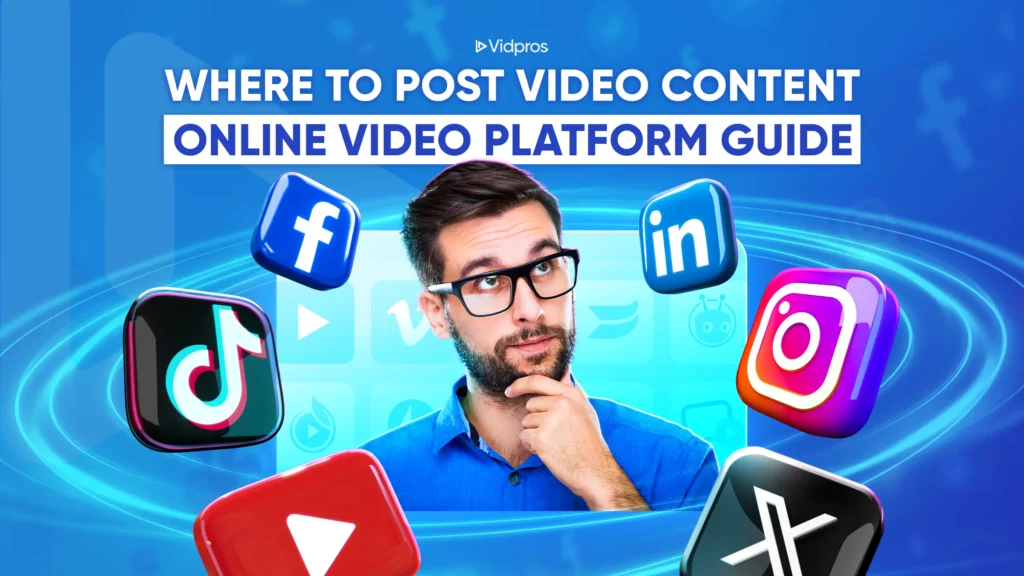
TikTok is popular with Gen Z, YouTube is the top choice for millennials, and LinkedIn is the best option for reaching B2B audiences.
Video marketing can feel overwhelming, especially when targeting diverse audience segments, but creating detailed viewer profiles helps you stay focused and consistent.
Building good customer profiles goes beyond basic demographics; it’s about understanding what motivates people, their pain points, and how they make decisions. Survey your existing customers about their challenges, analyze your most successful sales conversations, and utilize social listening tools to gather customer insights about how your audience discusses the problems your product solves.
Different platforms mean different audience behaviors.
TikTok users are browsing for entertainment and quick tips. LinkedIn audiences are in work mode, looking for industry expertise. YouTube viewers often have a goal—they’re actively searching for solutions.
When you know who’s watching, you’ll be able to create more effective messages that connect with their specific needs, wants, and decision-making processes. This understanding also helps you choose platforms, timing, and call-to-action strategies.
3. Making sure people want your product or service
Now that you know who you want to reach, you need to make sure those people want what you’re offering. Social media makes checking demand pretty straightforward through engagement numbers and direct feedback.
Once you know where your potential customers spend their time online, social listening—watching discussions, comments, and trending topics—helps you understand their needs, frustrations, and buying triggers. This research informs your video scripts, talking points, and even the objections to address upfront.
The objection-handling method, which utilizes visual storytelling, is effective in this context. Instead of listing features and benefits, address common concerns through customer stories that highlight tangible benefits. For example: “Sarah wasn’t sure about switching project management tools, but after seeing how our dashboard got rid of her weekly status meetings, she became our biggest supporter.”
Examining your competitors’ social media can also reveal what’s working in your industry. Study successful promotional videos in your area to understand messaging patterns, visual styles, and conversion techniques that work with your shared audience.
4. Building excitement before your video launch
No one cares more about your promotional video than you do, which is precisely why you should be your marketing team. But you can’t wait until your advertising campaign goes live to start building buzz. You need to create excitement before publishing.
Getting people interested starts with reaching out to influencers or industry publications. While those tactics are helpful, there’s something more fundamental that comes first.
Before launching your promotional video, improve your distribution strategy and supporting materials. Have you written compelling captions for each platform? Created teaser content and behind-the-scenes footage? Designed eye-catching thumbnails and preview clips? A coordinated video campaign enhances visibility and prepares your audience for your main message.
Platform-specific optimization is crucial at this stage. LinkedIn content should focus on professional insights and posts during work hours (Tuesday-Thursday, 9 AM-12 PM). TikTok content should prioritize entertainment value and trending audio, with a preference for posting during peak hours (6:00 PM to 10:00 PM). YouTube requires compelling thumbnails and detailed descriptions that are optimized for both search engine visibility and user engagement.
Once you’ve prepared your materials, consider creative pre-launch tactics. Some marketers successfully use countdown posts, exclusive previews for email subscribers, or partnerships with related brands to expand their reach.
5. Creating high-quality explainer video content that persuades
The foundation of any persuasive advertising video is quality content that both looks professional and delivers a compelling message. Short videos have become the top video marketing trend, with 39% of video marketers reporting that they generate the highest returns with short-form content.
High-quality visuals and audio are essential for maintaining credibility. Luckily, modern smartphones and accessible editing software, such as Canva’s AI video editor or Descript, can produce professional results without a considerable investment, helping you create an engaging video without breaking the bank. Top solutions that help video editors save time and improve quality include Adobe Premiere Pro, DaVinci Resolve, HeyEddie.ai, Descript, Topaz Video AI, and Colourlab AI.
Software choice by skill level:
- Beginners: Canva’s video editor has templates and drag-and-drop features
- Intermediate: Descript changes editing by treating it like document editing—edit video by editing the transcript
- Advanced: DaVinci Resolve offers professional-grade features for free, while Adobe Premiere Pro provides complete capabilities.
Beyond technical quality, your content must be planned for persuasion. Whether creating an explainer video or testimonial content, utilize proven frameworks, such as AIDA (Attention, Interest, Desire, Action), and include social proof elements and clear value propositions as key elements throughout your video.
The first 3 seconds determine success. Use pattern interruption techniques, such as surprising statistics (“Most marketing videos fail because they make this one mistake”), visual contrast, or thought-provoking questions, to capture attention immediately.
6. How to get featured in video marketing newsletters
Now that you have great content, it’s time to expand your reach through partnerships with video marketing publications and newsletters.
Be smart when pitching your promotional videos to industry newsletters and marketing publications. These platforms attract marketers and business owners who are actively looking for video examples that work. Before you pitch, subscribe to relevant newsletters like Video Marketing World or Vidyard’s Video Marketing Newsletter to see what type of content they publish and what their audience likes.
Study their recent features carefully to understand their editorial focus. Many newsletters focus on specific industries or video styles, so ensure your content aligns before submitting. Include particular numbers from your video’s performance when pitching – newsletters love concrete success stories they can share with their audience.
Before you reach out, study their recent features to see what type of promotional videos they feature. Many newsletters focus on specific industries or video styles, so make sure your content aligns with their editorial focus before submitting.
7. Submitting your videos to platform discovery programs
Want to get featured in YouTube’s trending section or TikTok’s For You page algorithm? Strategic submissions to platform discovery programs can significantly boost your video’s reach and persuasive impact.
Most major video platforms have creator programs and promotional opportunities that you can apply for directly. These programs often want information about your video’s purpose, target audience, and expected impact. They may also ask for performance numbers from similar content you’ve created.
Platform-specific requirements are very different. YouTube’s Creator Fund prioritizes educational value and audience engagement, whereas TikTok’s Creator Fund focuses on entertainment and viral potential. LinkedIn’s creator programs focus on professional insights and industry expertise.
Research each platform’s specific requirements and follow their guidelines carefully. If there’s space to explain why your promotional video deserves to be featured, use that opportunity to highlight its unique value proposition and potential impact on the audience.
8. Finding video collaboration opportunities
Video collaborations may be the most effective way to expose your promotional content to new audiences. If you find the right partners, those viewers will likely be interested in your offering. Niche brands can share niche audiences through strategic partnerships.
Cross-promotional partnerships and content swaps are effective collaboration strategies. In a content swap, you and another creator or brand agree to feature each other’s promotional videos in your respective channels. This means that brand A shares brand B’s content with its audience, and vice versa, typically accompanied by a brief introduction that explains the value of the partnership.
Successful partnership strategies include:
- Content swaps: Exchange promotional videos with related businesses
- Expert interviews: Appear as a guest expert on other creators’ channels
- Joint webinars: Co-create educational content with industry partners
- Micro-influencer partnerships: Work with 10K-100K follower accounts in your niche for better engagement rates
For lighter collaboration opportunities, consider promo swaps or joint live streams. These shorter promotional clips can introduce your brand to ideal audiences, and other creators may be more willing to participate because the commitment is smaller.
9. Be a featured expert in video content
Once you’ve started building partnerships, it’s time to try a different visibility approach: be a featured expert in other creators’ content. This approach requires you to switch from promotional messaging to educational value.
Unlike direct promotional partnerships, being a featured expert is all about the value you bring to someone else’s audience. Does your expertise align with your audience? Will you educate or solve problems for their community? How do you stand out from other experts in your space?
Position yourself as the go-to expert by consistently sharing valuable insights on industry trends, common challenges, and solutions. This builds credibility, leading to more collaboration opportunities.
Most creators will allow you to do a little promotion at the beginning or end of their videos so that you can mention your business naturally. Use this opportunity wisely by directing viewers to valuable resources, such as free guides, case studies, or exclusive content that showcases your expertise.
10. Keeping a consistent video publishing schedule
While everyone focuses on creating viral content, many marketers underestimate the impact of consistency on their persuasive power over time. The most successful promotional video strategies focus on building trust and recognition by delivering regular, valuable content.
High-quality production and strategic messaging are essential for individual videos, but developing a consistent publishing schedule teaches your audience what to expect from your brand. This predictability builds trust, which is necessary for effective marketing.
A sustainable content calendar might include:
- Weekly: Behind-the-scenes content and quick tips
- Every two weeks: In-depth tutorials or case studies
- Monthly: Major promotional videos and product updates
- Quarterly: Comprehensive industry insights and predictions
Start by determining the day of the week your videos will go live and how often you plan to publish them. Whether it’s weekly tutorials, monthly case studies, or quarterly product spotlights, consistency in timing and format helps build audience anticipation and loyalty.
Video analytics to boost performance

Video analytics is key to creating more persuasive content. Here’s how to use the data:
Track engagement numbers. Monitor watch time, click-through rates, and drop-off points on YouTube, Instagram, and TikTok to identify which messages capture attention and what drives action.
Key Performance Indicators (KPIs) by business goal:
- Brand awareness: Reach, impressions, brand mention tracking
- Engagement: Watch time, comments, shares, click-through rates
- Lead generation: Form completions, email signups, demo requests
- Sales: Conversion rates, revenue attribution, customer acquisition cost
Use data for content decisions. Analytics reveals which topics get the most engagement, where viewers tend to drop off, and which calls-to-action are most effective, allowing you to refine your persuasion strategy.
Test different approaches. A/B test various video openings, lengths, and closings to determine what works best for your audience.
Monthly optimization workflow: Review performance data, identify patterns in high vs. low-performing content, test hypotheses about engagement drivers, implement changes, and document learnings for future reference.
Using AI to make video production easier

AI is now a must-have for creating persuasive promotional videos quickly and professionally. Modern AI video editors can save you so much time.
Descript has AI video editing that works like a document editor, with features such as automatic transcription, voice cloning, and an AI co-editor called Underlord, which can create videos or provide feedback under your direction.
Specific AI use cases:
- Scriptwriting: Use ChatGPT or Claude to generate ideas based on your customer profiles, then refine with your industry knowledge
- Transcription: Descript’s auto transcription saves 2-3 hours per video
- Voice cloning: Fix small audio mistakes without re-recording entire segments
- Multilingual content: Synthesia creates AI avatars for global reach, especially for B2B training content
Synthesia is an AI avatar creation tool that eliminates the need for a camera and supports multilingual capabilities for global reach.
According to industry reports, these AI tools facilitate rapid and effortless content creation. As of 2025, Descript is particularly strong in transcription and video editing.
Advanced video marketing techniques

Social proof. 81% of people have bought or downloaded an app after watching a video about it. Testimonials and user-generated content are key to credibility and trust.
Adequate social proof goes beyond basic testimonials:
- Micro-testimonials: 15-20 second clips explaining one specific benefit
- Usage statistics: “Over 50,000 marketing directors use our reporting dashboard.”
- Industry recognition: Awards, certifications, media mentions
- Peer endorsements: Customers recommending your solution to others
Conversion-focused. WebFX research shows that websites with video have an average conversion rate of 4.8%, compared to 2.9% without video, highlighting the importance of video placement.
Emotional triggers that drive action:
- Fear of missing out: Limited-time offers or exclusive access
- Desire for status: How your solution makes them look like an expert
- Need for security: Risk reduction and guaranteed outcomes
- Pursuit of efficiency: Time savings and simplified processes
Engagement optimization. HubSpot research shows that businesses using video marketing experience a 76% increase in traffic. Including video in emails sees a 200-300% increase in click-through rates.
Common promotional video mistakes to avoid

Neglecting mobile optimization. DemandSage reports that video accounts for 82.5% of global internet traffic, with the majority of consumption occurring on mobile devices. Failing to optimize for mobile viewing significantly reduces your persuasive impact.
Technical errors that undermine credibility:
- Poor audio quality: Invest in audio equipment before upgrading your camera
- Inconsistent branding: Video style should reinforce brand identity
- Generic messaging: Specific, targeted messaging converts better than broad appeals
Ignoring platform-specific requirements. Different platforms have optimal formats and audience expectations. The Social Shepherd’s research shows that Millennials watch 10-20 hours of video content weekly, but their platform preferences vary significantly.
Strategic mistakes that reduce effectiveness:
- Weak or missing calls-to-action: Every video needs a clear, specific next step
- Ignoring platform culture: LinkedIn content feels out of place on TikTok
- Trying to appeal to everyone: Specific targeting converts better than broad messaging
Every promotional video should have a clear, specific next step. Wistia’s data shows that original series and webinars convert the most viewers, but only when paired with strong directional messaging.
FAQs
Can you create effective promotional videos with no budget?
Yes, modern tools make professional video creation accessible. Descript offers AI-powered editing that works like a document, while smartphones provide high-quality recording capabilities. Focus on clear messaging and strategic content structure rather than expensive equipment.
What makes a promotional video persuasive?
According to WebFX’s research, videos on landing pages can increase conversion rates by up to 80%. Persuasive videos combine emotional storytelling with logical benefits, include social proof, and feature clear calls to action. The key is to appeal to emotion first, then support it with logic – people make decisions emotionally and justify them rationally.
How do I measure the success of a promotional video?
HubSpot’s data shows that 74% of companies measure video ROI using engagement metrics, such as views and watch time, while 48% use conversion rates as a metric. Track metrics that align with your specific business goals rather than vanity metrics.
What’s the ROI of video marketing?
DemandSage’s research indicates that 90% of marketers report positive ROI from video marketing, with 91% currently integrating video into their strategies. The key is matching content quality with strategic distribution and clear success metrics.
Capping off
Creating persuasive promotional videos requires a combination of strategy, technical skills, and consistency. While the tools and techniques in this guide will get you started, many businesses find that working with experienced professionals yields faster and better results.
The most successful video marketing strategies treat it as a systematic process rather than a creative project. While creativity and authenticity are essential, sustainable results stem from understanding your audience, measuring performance, and refining your approach based on data rather than assumptions.
Whether you want to streamline your video production process, enhance your content, or develop a video marketing strategy, working with specialists bridges the gap between good intentions and real outcomes. The data show that businesses investing in professional video marketing achieve significantly higher engagement and conversion rates than those going it alone.
Remember that consistency beats perfection – regular, valuable content builds trust and recognition more effectively than sporadic, perfect videos. Start with your audience, focus on value delivery, and optimize based on performance data for sustainable growth.
Ready to transform your video marketing and create content that converts? Consider how professional video editing services can amplify your message and grow your business. Book a call with Vidpros!