
February 2, 2026
Check out the biggest winners of the 2026 Grammy Awards:
-
Album of the Year: Bad Bunny – “Debí Tirar Más Fotos”

-
Song of the Year: Billie Eilish – “Wildflower”

-
Record of the Year: Kendrick Lamar and SZA – “Luther”

-
Best New Artist: Olivia Dean

-
Best Music Video: Doechii – “Anxiety”
-
Best Rap Album: Kendrick Lamar – “GNX”

-
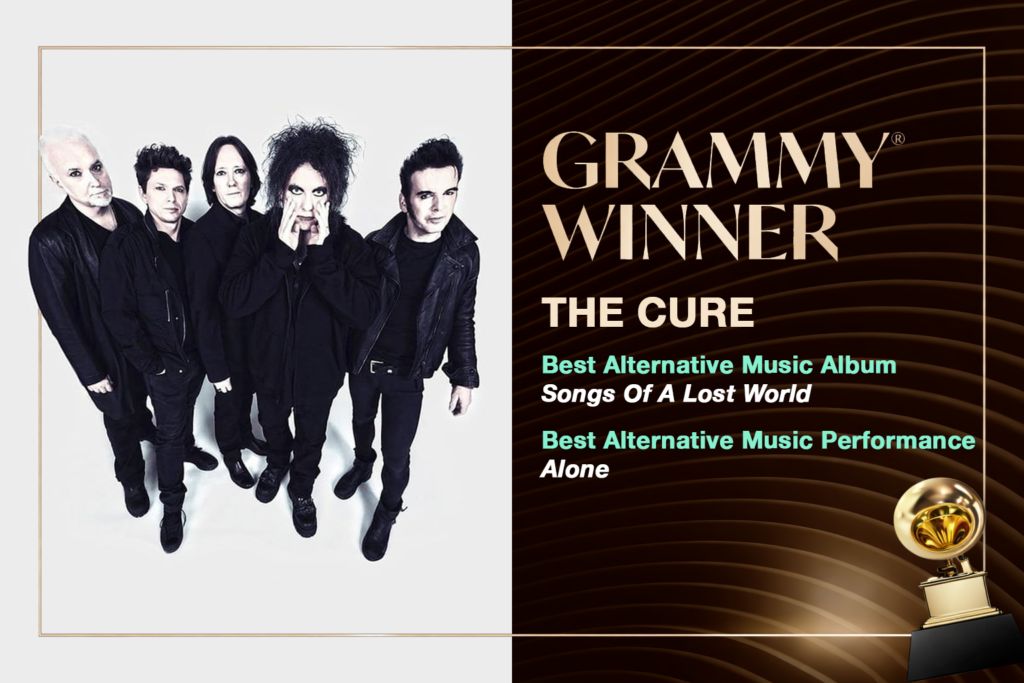
Best Alternative Music Performance: The Cure – “Alone”

Last night’s Grammy Awards were wild! Bad Bunny grabbed Album of the Year, Kendrick Lamar crushed it in the rap categories, and all the big stars were there. But behind the scenes, a team of editors was working super hard to make everything look perfect on TV. Most people never see their work, but it’s what makes the show so cool.
Here’s something you might not know: the Grammy Awards aren’t just about singing and dancing. It’s like a four-hour puzzle where one little mistake goes out to millions of people watching live!
Inside the Control Room (Where the Real Work Happens)
Just imagine. You’re an editor sitting in front of maybe 6 monitors. Each one is showing a different camera feed from different parts of the stage. You’ve got graphics queued up. You’ve got some pre-recorded video segments ready to go. And right now, a rock band is performing live.
In about 90 seconds, they finish their song. Then it’s time for a totally different act, like an R&B singer. Your job as the editor? Make sure the TV show feels smooth and fun. No weird pauses. No bumpy changes. The lights and colors need to look just right for every act. So you’re cutting between cameras and making sure the colors fit the music, all at once!
That’s not a theoretical skill. That’s what happened for four hours straight last night.
Most people who edit videos get to sit with their footage and think. You can try something, undo it, try something else. At the Grammys you get one shot. The second something airs, it’s permanently part of the broadcast. No take two. No fixes. If you miss a graphic by half a second, millions of people see you miss it.
Bad Bunny Won Because the Editing Got Out of the Way
Bad Bunny’s “Debí Tirar Más Fotos” won Album of the Year. When they showed clips of his stuff, the editing was invisible. That’s actually the hardest thing to do.
New editors always want to show off. They layer in transitions. They add effects. They make the editing more interesting than the actual content. But the best editors? They disappear. With Bad Bunny, every cut matched the beat. Every transition felt natural. You weren’t thinking about the editing because the editing was doing exactly what it needed to do.
That’s the lesson nobody wants to hear because it’s not flashy. The best editing work is the work nobody notices.
Doechii’s “Anxiety” Was the Opposite Approach (And It Worked)
Doechii won Best Music Video for “Anxiety.” This video is the complete opposite of Bad Bunny’s strategy, and it wins for totally different reasons.
The editing in “Anxiety” is meant to be felt, not understood. Quick cuts. Disorienting angles. Visual chaos that makes you actually feel anxious. The editor wasn’t trying to match the music beat for beat. They were trying to make you feel something, and they used editing as the tool to do it.
That’s harder than it sounds. You have to understand not just how to cut, but why you’re cutting. What does this shot communicate? Why show it for 0.5 seconds instead of 2 seconds? Every choice impacts how the viewer feels.
Kendrick and SZA’s “Luther” Won Record of the Year
“Luther” features Kendrick with SZA, and when you listen to it, you hear precision. The beat is tight. The timing is perfect. And when that song gets performed or shown, the editing has to match that precision.
Rap and hip-hop editing is different from that in other genres. It’s not always about flow or smoothness. It’s about hitting hard at the right moments. When the beat drops, something on-screen hits, too. The editor is locked in rhythm with the music in a way that pop or rock doesn’t always demand.
Kendrick’s work wins because it’s meticulous. Everything matches. Nothing is sloppy or left to chance.
The Cure Reminds Us That Minimalism Can Win
The Cure won Best Alternative Music Performance for “Alone.” Here’s a legendary band that doesn’t need flashy editing to look incredible.
Watch a Cure performance, and the editing is almost boring. Long shots of the band playing. Slow camera movements. Sometimes the camera just sits there. And it works because The Cure is The Cure. The music is strong enough that the editing doesn’t need to save it.
A lot of young creators make the mistake of thinking every video needs crazy editing. Sometimes your content is just good. Sometimes the best edit is knowing when to leave it alone.
The Multi-Camera Juggling Act
What people don’t realize is that the Grammys probably use 20 or more cameras at once. Every camera is capturing the same performance from a different angle. The editor’s job is to pick which camera to show at each moment, switch between them smoothly, and make it look intentional.
This is where experience matters. You can teach someone the tools. You can’t teach someone the instinct of knowing which camera to use when. That comes from doing it hundreds of times.
The best editors for live events know camera angles the way a good photographer knows light. They understand perspective. They know what a jarring cut feels like versus a smooth one. And they make these decisions subconsciously because they’ve trained themselves that way.
Color Grading Is Invisible Until It’s Missing
The Grammys broadcast shifted colors constantly. Rock performances got darker, cooler tones. Pop got brighter. R&B got richer, deeper colors. If you weren’t paying attention, you might not have noticed. But if they’d gotten it wrong, you would have felt it.
Lady Gaga showed up a bunch of times during the Grammys. Each time, the colors on TV looked a little different, matching her style. That’s because the editors changed the look to fit Lady Gaga’s vibe, like real-life magic!
This is a skill that takes years to develop. You have to understand color psychology. You have to know your editing tools well enough to make real-time adjustments without slowing down production. And you have to do it so smoothly that people don’t even notice you’re doing it.
What This Teaches You About Your Own Videos
Whether you’re editing a YouTube video, a music video for an artist, or just trying to make your business content not look like garbage, the Grammys lessons apply.
Your editing should match your content’s vibe. Fast energetic music? Edit fast. Slow contemplative stuff? Give your cuts room to breathe. Don’t overthink it. Just match the energy.
Pay attention to pacing. If you hold a shot too long, people get bored. Cut too fast, and it feels chaotic. There’s a rhythm to good editing, and you learn it by watching a lot of good work and asking yourself why it works.
Understand that editing is storytelling. Even a performance is telling a story. Your job is making sure the cuts support that story, not fight against it.
And honestly? The best editors have taste. They can watch footage and instantly know what’s good and what’s not. That’s not something you learn from a tutorial. That’s something you develop by doing a lot of work and paying attention to what actually moves people.
Live Editing Is a Different Beast Entirely
Here’s something most people don’t get. Live editing and post editing are completely different skills. Post-editing (normal video editing) lets you sit with the material, think about it, change your mind, and try something else. Live editing is making those same decisions in fractions of a second with no undo button.
The Grammy editors are experts at live editing. They probably spent years learning post-editing first. Then they moved into live work. Then they practiced until they could handle the pressure of millions of people watching them make instant decisions.
If you ever want to get into live event editing, that’s the path. You start in post. You get really good at it. Then you learn to work under pressure. It’s not something you just jump into.
The Real Takeaway
The Grammy Awards aren’t just a music show. They’re like a masterclass in how to make stuff look awesome on TV. Even if everything isn’t perfect, the editors make sure the show is super fun for everyone watching at home.
The editing didn’t make the show. Good performances made the show. But good editing made sure those performances landed right. And that’s worth understanding, whether you’re editing a Grammy show or a product demo for your startup.
The difference between boring content and great content isn’t always the content. Sometimes it’s just knowing when to cut, when to move the camera, what color to use, and how to pace everything so people actually want to watch.
That’s the whole job, really.
About Vidpros
We work with creators and brands who care about their videos actually being good. That means understanding editing as a craft, not just pushing buttons in software. If you’re making videos and want them to actually engage people rather than just exist, let’s talk.
Schedule a quick call with us. We’ll figure out what your work needs.