
Former careers at major networks used to mark the end of media careers. Now getting fired is often a new beginning. Growing numbers of hosts who have left their corporate jobs have used their departure, however painful, to start podcast businesses worth more than their salaries from their previous jobs combined. There is consistency enough to call this playbook. Leave your corporate job but keep your audience and build shows without committee standing between you and the microphone. Some walked away with deals worth more money than cancelled contracts. Others built something slowly and just as durable episode by episode without severance money to rely on. What makes this list really interesting is how different the routes are. Some sold their companies for numbers with eight zeros. Others refused every network offer and retained a much smaller but very loyal audience base. There is no single magic formula here. People refused to disappear after they got termination emails. This tells the story of who actually managed to pull that off, what happened when they were fired and what value their podcasts have now.
Why Getting Fired Became a Launchpad, Not an Ending
Fired by an established television or radio network has historically been considered the end of a person’s career in mainstream media. However, today it seems like many former media personalities find themselves at the beginning of a new opportunity as a result of losing their jobs. In addition to the rise of individual podcasts there exists a large and expanding group of those who have lost their positions as media personalities as a direct result of being terminated. These individuals have utilized their termination (often in an unfavorable light) as the launch pad for podcasting ventures that will generate income greater than their previous salary.
There is such consistency throughout this trend that we can refer to it as a strategy. The loss of your corporate position will give you an audience. From there, create content without interference from any form of a programming committee and your mic is yours alone. Several of these individuals were able to negotiate deal terms prior to launching their respective podcast ventures that were larger than their original contract terms; others created their podcasts through a slower method – but ultimately developed a long-term successful business model through producing content on a per-episode basis with little to no financial support.
News and Political Media
Tucker Carlson
In April 2023, the day before Fox News agreed to pay Dominion Voting Systems $787.5 million to settle a defamation suit tied to claims aired on his and other Fox programs, Carlson was let go by Fox.

Within weeks, Carlson began working at X (formerly Twitter) and started the subscription-based service called Tucker Carlson Network. On February 20th, 2024, Carlson interviewed Russian President Vladimir Putin. This was the first such interview conducted by a Western journalist since Russia invaded Ukraine. That interview garnered 185 million views on X in just three days and 14 million additional views were recorded when the interview was uploaded onto YouTube. Additionally, according to reports, Carlson’s interview with Donald Trump, aired during the same month, attracted more people watching online than did that night’s official Republican Party primary debate, airing on traditional network television.
This is important because now a single interview given by Tucker Carlson can draw audiences who match those drawn to an entire evening of cable news programming. Without being bound to a specific television network.
Megyn Kelly

Megyn Kelly left NBC in January 2019 after she made statements regarding blackface costumes on air; they resulted in her daytime show being canceled. Later that year she founded “The Megyn Kelly Show,” which is broadcast via Red Seat Ventures (the same media company representing Bill O’Reilly and Dr. Phil).
The Megyn Kelly Show has become so successful, it generates more than a billion views annually across all platforms; several episodes are generating enough views to surpass the total annual output of video content produced by major news organizations on their respective YouTube channels.
Bill O’Reilly

O’Reilly lost his position at Fox News in April 2017 due to sexual harassment settlement payments made by the network on behalf of O’Reilly. Even though this occurred, O’Reilly was still offered a new multi-year contract, as reported at the time.
That same year he developed “No Spin News” as a podcast/webcast, and has continued hosting it ever since. A development that speaks volumes about how the media landscape has evolved. The parent corporation of Fox News purchased Red Seat Ventures (the company responsible for syndicating O’Reilly’s podcast) in early 2025. Therefore, through the side door, the person Fox terminated in 2017 became part of Fox’s business world again, as reported here.
Don Lemon

Don Lemon was released from his duties at CNN in April 2023; he was terminated shortly after making remarks about the age of a potential presidential candidate. It was an odd coincidence: two anchors employed at different television news networks, each holding differing political viewpoints, were fired by those networks over a span of seven days and headed towards a similar destination.
Later in 2023, Lemon created “The Don Lemon Show.” He designed it to be an independent production around a similar long-form interview model that helped establish him as a cable news fixture for more than a decade.
“The Don Lemon Show” focuses on having unfiltered discussions related to current events that network standards departments might soften or eliminate entirely.
Chris Cuomo

CNN released Chris Cuomo in December 2021. During an investigation it was found that Cuomo utilized CNN resources to assist his brother, then former governor of New York Andrew Cuomo, as he responded to accusations of sexual misconduct. Cuomo was among CNN’s top-rated prime-time hosts at the time of his termination. The release was widely viewed as one of the most impactful single-week storylines involving CNN in its recent past.
After leaving CNN, Cuomo went to work for NewsNation and established both a daily program and accompanying podcast there. Similar to his tenure at CNN, Cuomo built an audience using the same direct and confrontational interview approach that characterized his time at CNN. Although Cuomo’s audience at NewsNation was less than half of what he generated while at CNN, it represented an audience he built independent of any single network deciding whether or not to retain him.
Sports Media
Bill Simmons

Was let go by ESPN in 2015 because President John Skipper objected to Bill’s comments regarding NFL Commissioner Roger Goodell. Simmons went on to create The Ringer in 2016 and turned it into one of the largest listened-to sports and pop culture media companies in the country.
In 2020, Spotify purchased The Ringer for approximately $250 million and at the time of purchase, Simmons personally owned 51 percent of The Ringer. After the acquisition, Simmons was appointed as the Head of Podcast Innovation and Monetization at Spotify and signed a multiyear extension in 2025. Currently, The Bill Simmons Podcast is ranked in the top of all sports-related podcasts on Spotify, and Netflix announced in 2025 they will be creating video formats of some of Simmons’ popular shows available exclusively on their platform.
Dan Le Batard and Jemele Hill
Dan Le Batard parted ways with ESPN in 2021 due to creative differences and created Meadowlark Media, which developed multiple podcasts focused on sports including The Dan Le Batard Show with Stugotz. Jemele Hill parted ways with ESPN in 2018 due to on-air controversy and began developing her own independent media presence covering topics such as sports, politics, and culture; which were prohibited under ESPN’s standards process.
A Note on Pat McAfee
Pat McAfee was not fired from a job. In fact he chose to walk away from the final two years of his NFL contract with the Indianapolis Colts in 2017. McAfee decided to “bet on himself” as a podcaster. Over time, he transitioned through Barstool, a $120 million deal with FanDuel and ultimately landed an $85 million, five-year agreement with ESPN in 2023 with reportedly ongoing renewal negotiations worth anywhere between $60 to $65 million per year. McAfee’s experience is the opposite of those on this list – he chose to leave voluntarily and build enough leverage that ESPN would eventually pay him to come work for them.
Entertainment and Comedy
Conan O’Brien

Although not technically fired, O’Brien was pushed out of NBC’s Tonight Show in 2010 after just seven months when NBC attempted to move the show back thirty minutes to make room for Jay Leno. Rather than take a demoted version of the show, O’Brien negotiated a reported exit package and went on to rebuild at TBS. At that point, O’Brien shifted his focus to podcasting via Team Coco starting in 2018.
Team Coco was acquired by SiriusXM in 2022 for $150 million. A business built around Conan O’Brien Needs a Friend and ten other podcasts, collectively generated 180 million downloads and 1+ billion video views in 2022.
Joe Budden

Budden left Complex Media’s Everyday Struggle in 2018 due to creative differences and subsequently built The Joe Budden Podcast into the biggest media outlet in hip hop. A previous license agreement with Spotify paid Budden less than $2 million per year (no equity or ad revenue sharing). That same year, Budden opted out of that agreement with Spotify and transitioned to Patreon.
The decision currently generates over $1 million monthly from approximately 70,000 patron subscribers and millions more each year from advertisements the network sells themselves. According to reports, The Joe Budden Network will generate $20 million in 2025. All revenue goes directly to Budden and he does not need to split it with any networks.
Adam Carolla

Carolla’s Los Angeles-based radio program was canceled in 2009 during a wave of format changes affecting many stations. Almost immediately, Carolla started producing The Adam Carolla Show as a podcast. As one of the true pioneers of the medium, Carolla held the Guinness World Record for most downloaded podcast at one point. Early on, he demonstrated how an audience formed on live radio could follow a host into an entirely new format. This lesson has been repeated by each person on this list.
Marc Maron
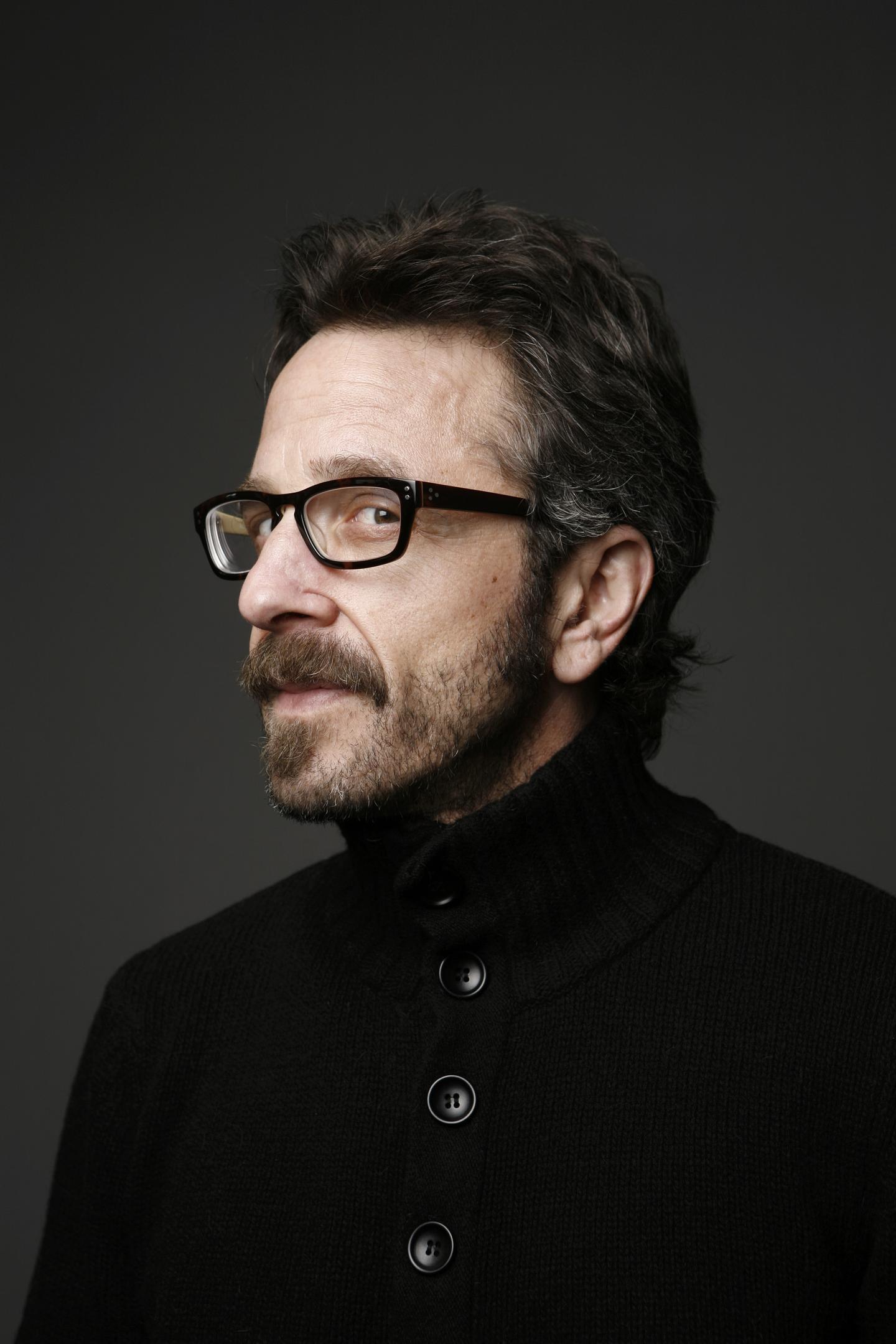
While not exactly fired from a job, Maron’s comedy career had largely stalled by the late 2000s when he began WTF With Marc Maron out of his garage in 2009. The unstructured, emotionally raw interview style became one of the most influential models for future podcasters. Ultimately, Maron even landed former U.S. President Barack Obama as a guest in 2015.
A Couple More Fired Media Hosts Podcasts Worthy of Note
While all of the above names need to be broken down further to illustrate their respective pivots; these next four are worthy of note as they represent the same type of pivot, albeit in different forms.
- After a controversy-filled run-in with advertisers and low ratings led to his departure from Fox News in 2011, Glenn Beck utilized his exit from Fox to create The Blaze, a multi-media platform, which would become a hub for conservative media. By comparison, podcasts (a format that Beck had little experience with prior) became a central part of the overall brand strategy of The Blaze, rather than just an add-on. As such, Beck hosts not only a weekday edition of his The Blaze-branded podcast but also a weekend version.
- In 2015, NBC Nightly News anchor Brian Williams was relieved of his duties following disputes among fellow journalists regarding his recollection of events surrounding the shooting down of a U.S. Army Black Hawk helicopter in Iraq in 2003. Williams would remain employed by NBC until signing off for good from the Peacock in 2021. On April 24th of this year, Williams will begin hosting “We’re Back!”, a new podcast that will air exclusively on Netflix. This is perhaps the most surprising addition to our list due to the length of time it took for Williams to regain employment.
- Keith Olbermann has either been terminated from or otherwise forced out of employment from MSNBC, Current TV and ESPN during a span of nearly twenty years. Since those firings, Olbermann has gone on to start numerous independent podcast ventures including “Countdown with Keith Olbermann.” Perhaps no other individual listed here has lost jobs as frequently and yet still managed to get back behind the mic.
- Amy Robach and T.J. Holmes were both fired from ABC News in early January 2023 after news broke of their ongoing romantic affair while each was still married to someone else. Less than one month later, the couple co-launched a podcast called “Amy & TJ,” effectively transforming what could have been a public relations disaster into a business based upon their personal experiences rather than trying to escape them.
Bob Garfield & Co Host Dynamics
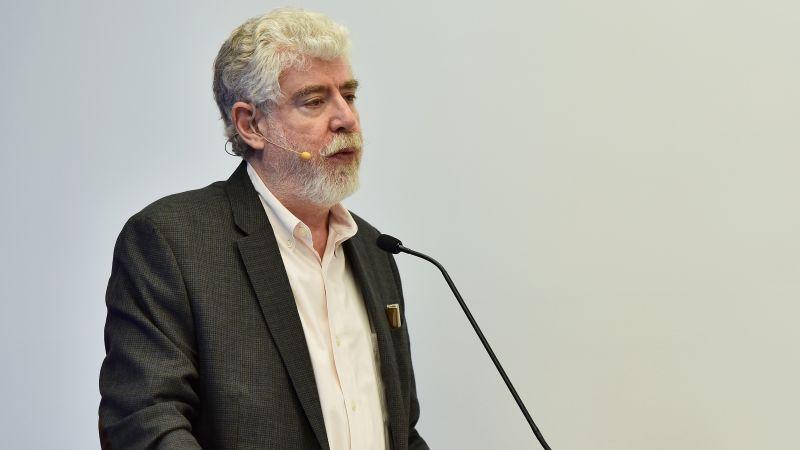
In May 2021, veteran journalist, media critic, and co-host for over two decades on the widely popular “On the Media,” Bob Garfield was let go from New York Public Radio. The dismissal came after a private investigator hired by NYPR concluded that Garfield’s behavior broke the station’s antibullying policy- Garfield has since argued in the press that this characterization is inaccurate because of legitimate workplace conflicts rather than anything resembling a bully. He believes it is completely wrong for those who advocate for professional disagreements in the work place to refer to them as examples of bullying. He stated that intense discussions about ideas should always remain as debate or discussion; they cannot simply become yelling match provocations. Others have responded by stating that public forums such as NPR require a certain level of professionalism, therefore adhering to standard business practices. While he did not leave the audio space altogether, within weeks of being fired, Garfield began creating new audio content with several independent ventures, including his own podcast called “Bully Pulpit. Following Bob Garfield’s unexpected departure from WNYC in May 2021, Managing Editor Brooke Gladstone stepped into the breach to take on both roles as sole host.
Joe Rogan: The Blueprint
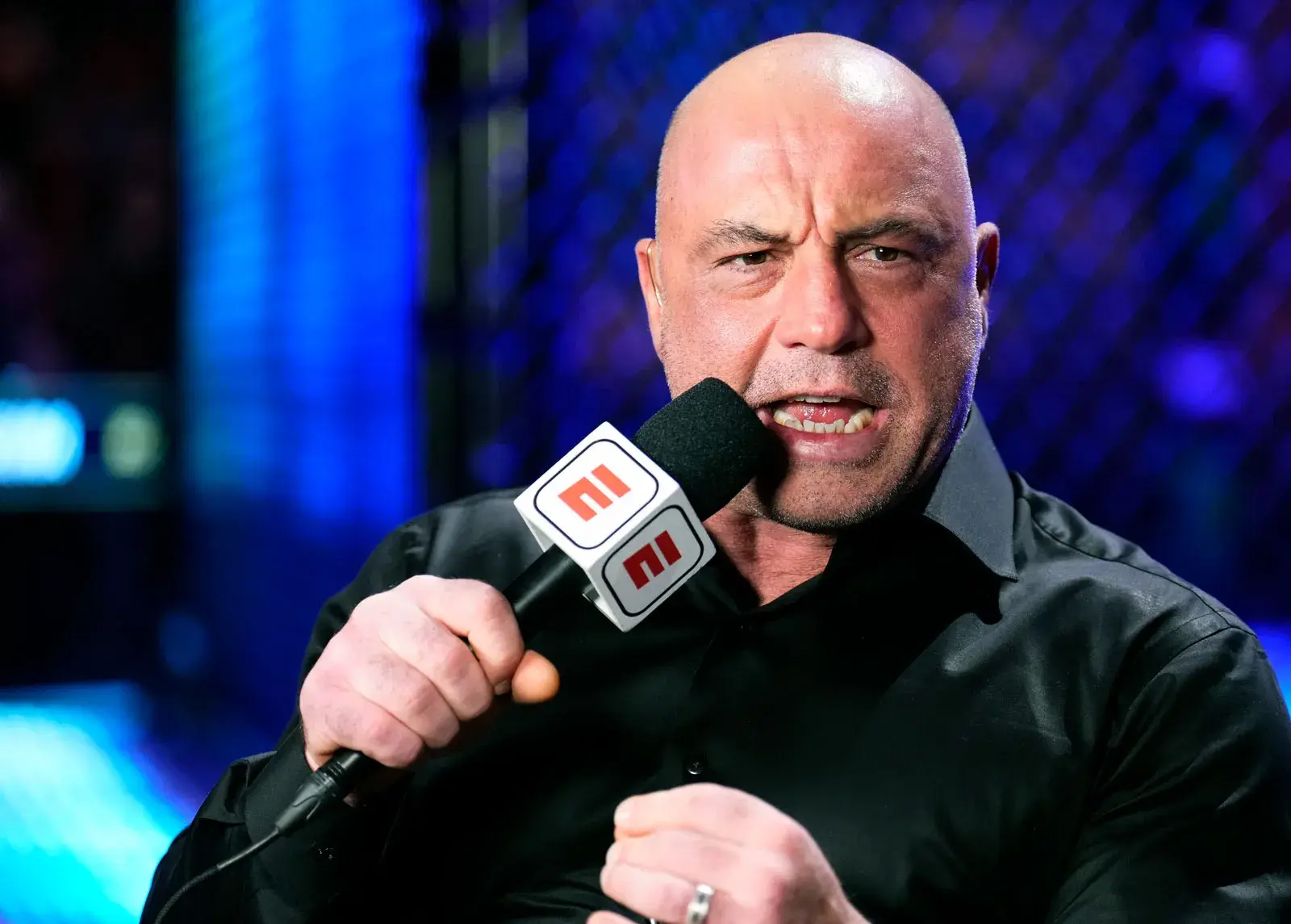
While known as a host of NBC’s reality show “Fear Factor” and color commentator for the UFC during the early 2000s, Joe Rogan fully anticipated this digital audio movement on his own terms. In late 2009, Rogan and one of his friends started playing around with live video streams and raw, unedited conversations from his house; he would name this project “The Joe Rogan Experience” by the end of 2010. Instead of using the digital space as a second place to land once he had exited mainstream television, Rogan was building a multi-media empire at the same time he worked the two main-gigs (traditional) he currently works. Ultimately, Rogan’s transition from a television personality to a podcaster who created long form podcasts became a history-making move into multi-million-dollar exclusive licensing agreements with Spotify; ultimately making it clear that an individual can create a brand larger than their network.
The Financial Math: Old Salary vs. New Business
While comparing a television network salary to revenue generated through a podcast venture may not always equate to an apples-to-apples comparison, there exists sufficient financial disparity in some instances to make a point without needing additional information.
- At one point during Bill Simmons’ tenure at ESPN, his salary topped out at approximately $5 to $6 million per annum. After being terminated from his position as executive producer of ESPN’s “Grantland” website, Simmons went on to sell “The Ringer” for roughly $250 million.
- Following his termination from the “Tonight Show,” Conan O’Brien was reportedly paid tens of millions of dollars. Twelve years later, Team Coco alone sold for $150 million. This represents another separate and significantly greater payout that was made possible largely after O’Brien concluded his final season on late-night television.
- Prior to establishing his own independent network, Joe Budden’s annual earnings from his Spotify-based content deal were estimated to be less than $2 million. His current projection is expected to reach upwards of $20 million annually – a ten-fold increase – based directly upon his decision to leave behind a seemingly safer contractual arrangement.
Again, none of the above examples suggest that every host who loses their job will land on their feet. Most do not. The individuals listed above are among the few notable exceptions within an industry where most independent media ventures fail to generate enough traffic and subsequent advertising revenue to sustain themselves. What sets them apart is not fortune. Rather, it is a pre-existing audience that developed over years of producing quality, consistent and identifiable programming.
The Pattern Behind What All These Podcasts Had in Common
None of these podcasts succeed due to the fact the host got fired. None of these podcasts would have been able to produce content without the host having an established audience and being recognized by said audience. Once the host was fired, the exit removed the institutional gatekeeper. However, it did not create an audience from scratch.
All three podcasts are completely different when looking at the financial structure. O’Brien and Simmons were selling equity in a company to a platform. Budden owns everything (podcast) outright and sells directly to listeners. Carlson created a subscription-based business where there are no ads at all. There is no singular business model for any of the above; however, there is always going to be a commonality of an existing loyal audience and an ability to risk a brand-new format based solely on the trust of an existing audience.
Another thing that is always going to remain the same is the requirement for each of the podcasts to look and/or sound professional right away. When you have an audience that follows a host from network television, they expect to see production value that is very similar to what they saw previously. If a listener sees a low-quality production value (poorly recorded/editing), they will lose the trust that allowed them to leave their previous home. This loss of trust occurs typically within the first couple of episodes, not over the course of a year of decline.
Timing-wise, almost all of the successful relaunches occurred shortly after the hosts were fired, versus years later. Within weeks, Carlson was on X. O’Reilly’s podcast launched the same year he was fired. Audiences have a limited amount of time to pay attention, and those hosts who waited far too long to find themselves a new home tend to lose even more of that time than those who found a new home quickly.
When Will You Know Your Podcast Has Succeeded?
The hosts who reached scale quickest viewed their podcast as media products immediately upon launch, rather than just hobby projects. This meant consistent pace, clear audio, captions for video clips so that they could get maximum exposure through social media channels, and establishing a predictable weekly publication schedule.
Many independent podcasters don’t have access to a TV control room anymore. However, what they do require is someone who can assist them in turning their longer-form recordings into well-produced podcasts, as well as assisting them in creating shorter versions of clips that can be distributed across various social platforms. This is where Vidpros comes in – as a fractional video editing service offering a 1-2 day turnaround on videos, as well as clip repurposing specifically designed for social media use.
This trial offers 10 short clips and/or one long video – exactly how many most independent podcasters require. The ideal outcome would be a well-produced full-length version for distribution via YouTube and a bunch of smaller cut-down versions for distribution elsewhere.
Wrapping Up
Each person on this list lost their identity-defining job. Not one of these people lost their audiences – and ultimately, that ended up being the only thing that really matters. A fired media host with a devoted following and a microphone turns out to be more sustainable as a business than nearly any type of cable contract.
The takeaway isn’t that getting fired is good. It is that the audience you create belongs to you – not the network paying your check – the moment you have some way of taking it with you. Those who figured that out first are the ones that took something called termination notices and turned them into actual media companies.